Wear-Resistant Pipe Selection amp Operation Guide for Global Industrial Projects
Wear-Resistant Pipe
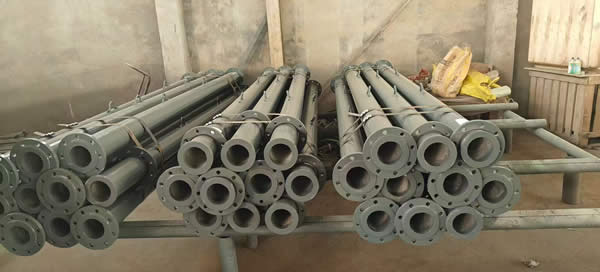
Selection & Operation Guide for Global Industrial Projects
For over a decade, I’ve troubleshooted and optimized pipeline systems for mining, power plant, cement, and dredging projects across Southeast Asia, the Middle East, and Japan & South Korea. One issue I see repeatedly is project delays and unexpected maintenance costs caused by mismatched pipeline solutions. A qualified wear-resistant pipe is never a one-size-fits-all product, and regional climate, medium characteristics, and local construction standards always determine the final service life and operational stability. In this guide, I share practical field experience, regional adaptation tips, and common selection mistakes to help project managers and B2B buyers avoid costly on-site failures.
1. Core Application Value of Wear-Resistant Pipe in Global Industrial Scenarios
Most industrial pipeline failures in heavy-duty projects stem from continuous abrasion, medium corrosion, and extreme climate erosion, rather than simple structural damage. A professional wear-resistant pipe solves these core pain points by reinforcing the inner lining and optimizing structural durability, specifically tailored for high-wear scenarios like slurry transportation, gravel conveying, coal ash discharge, and chemical medium delivery.
For global B-end projects, the value of abrasion-resistant pipe is reflected in long-term operational cost control rather than low initial procurement cost. In mining and dredging projects, traditional seamless steel pipes often wear through within 6–12 months due to high-speed solid particle impact, requiring frequent shutdowns for replacement. A qualified wear-resistant pipeline can extend service life by 8–15 times, drastically reducing downtime loss and after-sales maintenance labor costs.
Regionally, the scenario value varies significantly. Southeast Asian cement and dredging projects face year-round high-temperature and high-humidity environments, with acidic mine slurry and rainy-season mud accelerating pipeline inner wall wear and outer tube oxidation. Middle Eastern power and mining projects suffer from long-term sun exposure and sandstorm abrasion, where dry heat intensifies pipeline thermal expansion and joint sealing failure. Japanese and Korean chemical and metallurgical projects pursue refined operation, requiring wear-resistant elbow and straight pipe products to adapt to narrow installation spaces and strict seismic standards.
2. Mainstream Wear-Resistant Pipeline Material Performance Analysis
After years of on-site comparison and material testing for overseas projects, I’ve summarized the actual advantages, limitations, and applicable scenarios of four mainstream wear-resistant pipe materials, abandoning the exaggerated parameter descriptions in official manuals and focusing on real engineering performance.
2.1 Ceramic-Lined Pipe
Ceramic-lined pipe is the most widely used solution for fine particle slurry and low-impact wear scenarios. The inner alumina ceramic lining features high hardness and excellent anti-abrasion performance, with smooth inner walls that effectively reduce pipeline pressure loss and medium scaling. Its biggest advantage is stable performance in high-humidity and slightly acidic environments, making it ideal for Southeast Asian mining slurry transportation projects.
The obvious shortcoming is poor resistance to strong mechanical impact. In Middle Eastern gravel conveying projects with large particle impurities, ceramic linings are prone to chipping and peeling. In addition, ceramic-lined pipes have poor thermal deformation resistance, so they require reserved expansion gaps during installation in high-temperature desert environments.
2.2 Double-Metal Composite Wear-Resistant Pipe
This product adopts outer carbon steel pipe + inner high-chromium alloy cast steel composite structure, balancing structural toughness and impact resistance. It performs excellently in high-impact scenarios such as coal ash transportation and aggregate conveying. It can adapt to the large temperature difference between day and night in the Middle East, with stable thermal expansion performance and no cracking or peeling of the wear-resistant layer.
The disadvantage is that the inner alloy layer is prone to slight oxidation in Southeast Asia’s salt fog environment, requiring regular anti-rust maintenance of the outer tube and welded joints. It also has higher on-site installation precision requirements, which align with the refined construction standards of Japanese and Korean projects complying with JIS G 3459 and KS D 3562 specifications.
2.3 Rubber Lined Wear-Resistant Pipe
Rubber and polymer lined pipes excel in anti-corrosion and anti-scaling performance, suitable for chemical medium and fine slurry transportation. They have good shock absorption and noise reduction effects, meeting the environmental and refined operation requirements of Korean chemical plants. However, they cannot withstand high temperatures and strong ultraviolet radiation, so they are completely unsuitable for open-air exposed installation in the Middle East.
2.4 Surfacing Wear-Resistant Pipe
Surfacing pipes form a high-hardness wear-resistant layer on the inner wall through automatic surfacing welding, with ultra-strong impact resistance and customizable wear layer thickness. They are the preferred solution for heavy-duty mining and port aggregate projects. The only drawback is higher cost, making them more suitable for core high-wear sections such as elbows and tees rather than full-pipeline laying.
3. Overseas Procurement Key Points for Southeast Asia, Middle East, Japan & Korea
Different regional project environments and local standards lead to completely different procurement logic for wear-resistant pipeline products. Many overseas procurement failures are not due to product quality problems, but mismatched model selection and unreserved regional adaptation parameters. Based on my 10-year overseas project experience, I sort out targeted procurement avoidance points for three core regions.
3.1 Southeast Asia Procurement Adaptation
Southeast Asia’s core working conditions are high temperature, high humidity, salt fog corrosion, and rainy season mud impact. When purchasing slurry pipeline products, buyers must prioritize outer tube anti-corrosion treatment. Ordinary paint anti-rust treatment will fail within 3 months in coastal mining and port projects; I strongly recommend hot-dip galvanizing plus heavy-duty anti-corrosion coating for outer tubes.
Engineer’s Pitfall Reminder: Do not ignore marine packaging corrosion control. Many qualified wear-resistant pipes are damaged by salt fog erosion during long-distance sea transportation, resulting in unqualified on-site acceptance. It is necessary to require suppliers to adopt sealed waterproof packaging and desiccant filling for all flanges and welded ends.
3.2 Middle East Project Procurement Standards
Middle East projects focus on dry heat exposure, sand wind abrasion, and pipeline thermal expansion stability. Open-air pipelines need to resist long-term ultraviolet aging and frequent sand particle scouring. When selecting products, prioritize high-temperature resistant and anti-aging models, and avoid ceramic-lined pipes for large-particle gravel conveying sections.
Engineer’s Pitfall Reminder: Flange sealing and dustproof design cannot be ignored. Middle Eastern sandstorms easily penetrate flange gaps, causing sealing surface wear and medium leakage. It is necessary to customize reinforced dustproof gaskets and anti-loosening flange bolts for all pipeline joints.
3.3 Japan & Korea Refined Procurement Requirements
Japanese and Korean industrial projects adopt ultra-strict construction and acceptance standards, fully complying with JIS and KS industry specifications. Their project sites feature narrow installation spaces and mandatory seismic support requirements. When purchasing wear-resistant pipe and elbow products, non-standard fixed-size customization is often required to adapt to compact pipe gallery spaces.
In addition, Japanese and Korean buyers attach great importance to product traceability and factory inspection reports. All pipeline materials, welding processes, and performance test data need to provide full English formal reports that meet ISO 9001 and ASTM A106 standards, and unreported customized parameters will directly lead to acceptance failure.
4. Daily Operation and Maintenance to Extend Pipeline Service Life
Even the highest-quality wear-resistant pipeline will suffer accelerated aging and wear without standardized maintenance. Combined with the maintenance characteristics of different regional projects, I summarize a set of practical daily operation and maintenance specifications suitable for overseas industrial projects.
4.1 Regular Inspection and Thickness Detection
For high-wear sections such as wear-resistant elbow and tee joints, regular ultrasonic thickness measurement is required every 3 months. In Southeast Asian rainy seasons, mud deposition will cause local eccentric wear of the pipeline inner wall, so enhanced detection of the bottom of horizontal pipelines is needed. For Middle Eastern open-air pipelines, check the outer tube anti-corrosion coating and flange sealing status monthly to avoid sand wind erosion damage.
4.2 On-Site Repair and Replacement Specifications
When local wear or lining peeling occurs, targeted repair is better than overall replacement. For ceramic-lined pipe local damage, professional ceramic repair glue can be used for on-site filling and reinforcement; for double-metal pipeline welding seam wear, local surfacing repair is feasible. It is worth noting that maintenance construction in Japan and Korea must avoid damaging seismic supports and surrounding pipeline auxiliary facilities to meet refined operation requirements.
4.3 Storage and Anti-Rust Maintenance
Uninstalled pipelines in Southeast Asian projects must be stored in ventilated and moisture-proof warehouses, with regular anti-rust treatment for pipe ends and flanges to avoid salt fog corrosion. Middle Eastern inventory pipelines need to be covered with sunshade and dust-proof cloth to prevent long-term ultraviolet aging and sand deposition wear.
5. Exclusive Guide: High-Frequency Wear-Resistant Pipe Selection Misunderstandings
In years of overseas project docking, I found that 70** of pipeline operation problems come from incorrect selection logic, not product quality. Many buyers simply judge product quality by price or single parameter, resulting in mismatched working conditions and shortened service life. I sort out two most common high-frequency selection misunderstandings for B-end buyers’ reference.
5.1 Misunderstanding 1: Higher Hardness Equals Longer Service Life
Most buyers mistakenly believe that the higher the hardness of the wear-resistant layer, the better the product performance. In fact, hardness and toughness need to be balanced. High-hardness ceramic-lined pipes perform well in fine particle slurry anti-wear scenarios but are extremely easy to crack and peel in high-impact gravel conveying working conditions.
For Middle Eastern mining aggregate projects with large particle impact, double-metal composite pipes with balanced hardness and toughness are more suitable; for Southeast Asian chemical slurry anti-corrosion and anti-wear scenarios, moderate-hardness rubber-lined pipes have better comprehensive benefits. Blindly pursuing ultra-high hardness will only increase procurement costs without improving actual service life.
5.2 Misunderstanding 2: Universal Models Adapt to All Regional Working Conditions
Many suppliers promote universal wear-resistant pipe models, but there is no universal solution in overseas industrial projects. The same pipeline product that works stably in domestic projects may fail quickly in overseas extreme environments.
For example, ordinary carbon steel based wear-resistant pipes will suffer severe outer tube corrosion in Southeast Asian salt fog environments; non-anti-aging lined pipes will age and fail in 1–2 years under Middle Eastern strong ultraviolet radiation; standard-size pipelines cannot adapt to the narrow pipe gallery and seismic installation requirements of Japanese and Korean projects. Regional working condition differentiation must be the core premise of selection.
6. Practical Summary for Global Wear-Resistant Pipeline Projects
To sum up, the selection, procurement, and operation of wear-resistant pipe for overseas mining, power, cement, and chemical projects must be based on regional working conditions, medium characteristics, and local industry standards. Do not rely on universal experience or low-price procurement logic. Clarify the core demands of anti-wear, anti-corrosion, anti-aging, and impact resistance, and select matching materials and customized models to fundamentally reduce pipeline failure rates and long-term operating costs.
For B-end project buyers and engineers in Southeast Asia, the Middle East, and Northeast Asia, targeted regional adaptation selection and standardized maintenance are the key to maximizing the cost performance of abrasion-resistant pipe products. If you need customized solution support for Middle East mining wear-resistant pipeline projects or regional working condition adaptation parameters, you can consult professional wear-resistant pipe suppliers in Southeast Asia for one-to-one technical docking.