
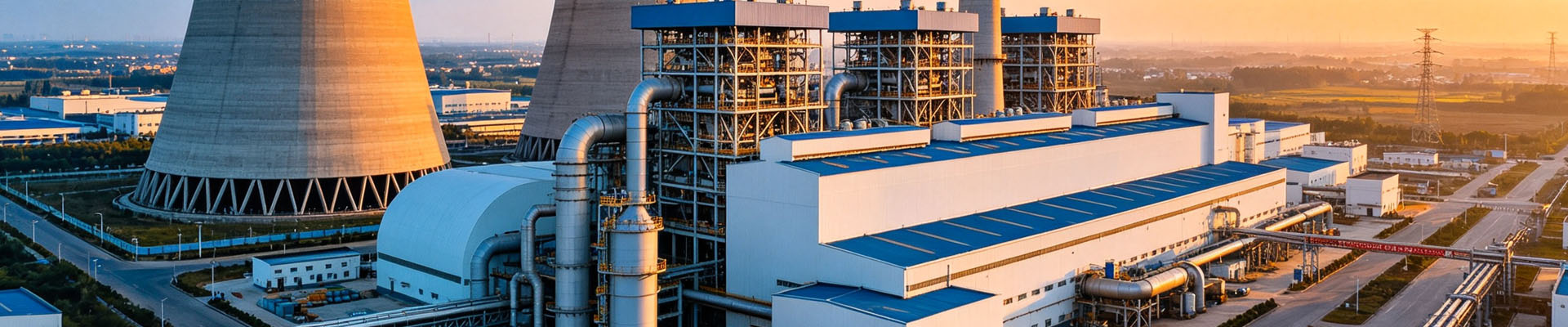
Wear-Resistant Pipe for Overseas Cement Wear-Resistant Pipe for Overseas Cement
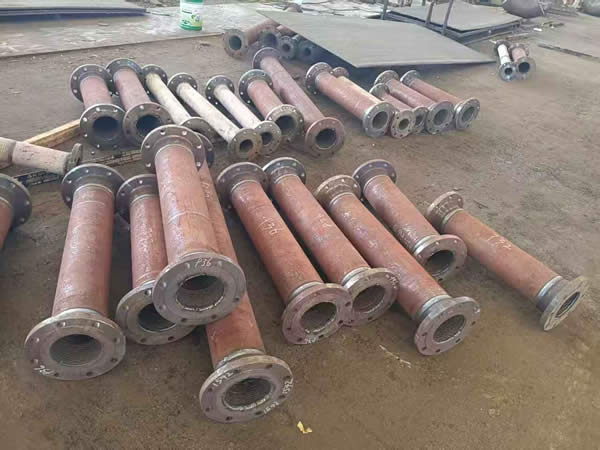
Wear-Resistant Pipe for Overseas Cement
Wear-Resistant Pipe for Overseas CementA cement plant in the Middle East taught me why so many wear-resistant pipe jobs go wrong before the pipe ever arrives. The foreman pointed at a scrap pile—eighteen months old, eaten through at the weld seams, two elbows gone entirely—and blamed the supplier. I measured the bends and the flange gaps and found the real fault: the spec had been built for cold, wet duty, not for 45°C sun, windblown sand, and a slurry that never stopped flowing. Same line, wrong parameters, predictable failure. Here is how to stop repeating it.
What a Wear-Resistant Pipe Actually Does for You
Strip away the catalogue language and a wear-resistant pipe is one thing: a pressure shell carrying abrasive media that refuses to die from friction. It is built to erode slowly in a controlled place so your plant does not shut down every season to replace it.
It is a wear part, not plumbing
Too many buyers treat it like a water line. It is not. The liner is sacrificial by design—it takes the rubbing, the scouring, and the impact so the shell stays intact. That distinction decides everything downstream: where you measure, when you rotate, how you buy spares.
Where the value shows up
The money appears in the obvious places—cement raw-meal and clinker transfer, mine tailings and mill discharge, coal-wash circuits, power-plant ash handling, dredging pump discharge, port loading lines, and waste-incineration ash. In every one of them the question is the same: how long before the abrasion wins, and how much downtime does that cost.
Inside the Pipe: Where It Fails and Where It Survives
You cannot maintain what you do not understand. A wear-resistant pipeline is three parts doing two jobs, and each one fails differently.
The three layers that do the work
The outer steel shell carries the pressure and the pipe-rack loads. The wear liner—alumina ceramic, high-chrome cast, or rubber—absorbs the abrasion. Between them the bonding layer keeps the liner locked to the shell, because a liner that debonds is worse than no liner at all. The operating principle is simple: let the liner die slowly, keep the shell reusable, and replace the cheap part before the expensive one gives out.
Joints, flanges and welds are the weak links
The straight shell survives. It is the weld seams and flange faces that see turbulence and heat, and they fail first. In dry, dusty climates, windblown sand grinds its way into flange seals until the gasket leaks. In humid Southeast Asian sites, salt spray and condensation attack the outer shell and the rack supports long before the liner wears through. Weld seam erosion is rarely a liner fault—it is a spec fault you paid for twice.
Sizing and Custom Work Is Where Costs Hide
Every millimetre on a drawing has a price, and every wrong millimetre has a much bigger one.
DN, OD, wall and length
Get the OD and the wall right against the actual duty, not the previous supplier's sheet. Buy on minimum remaining wall in the wear zones, and order long straight sections to cut weld count—fewer welds means fewer leaks. Keep slurry velocity inside the sweet spot; too slow and fine solids settle into a plug, too fast and you waste liner life.
Bend angle and non-standard geometry
The wear-resistant elbow is where the erosion lives, so the bend radius and angle matter more than the straight pipe. A tight radius concentrates wear and pressure loss; a shallow one costs more but lasts longer. Custom tees, reducers, and long-radius bends are normal in this trade, and on tight Japanese or Korean racks a non-standard geometry is often the only way to fit the run. Get it drawn before you order, not argued over on site.
Keeping It Alive: Maintenance That Pays
A wear-resistant pipe does not maintain itself. The good news is a little routine beats a big replacement every time.
Rotate the elbow, gauge the wall
Put the high-wear elbows on flanged joints and rotate them 180 degrees at half their expected life—you can often double the service before replacement. Thickness-gauge the outer radius and the branch faces on a fixed schedule, and log the numbers so you replace on trend, not on surprise. Stock one spare set per critical circuit and rotate it into service before the old one fails, not after.
Plug clearing and rust prevention
A monsoon-season slurry can set like concrete if velocity drops, and standing water rusts the ends of any pipe in storage. Keep the line moving or flush it before the rain hits. Store spares with sealed end caps and off the ground; in Southeast Asia that single habit has saved more lots than any liner upgrade.
High-Frequency Selection Mistakes I Keep Seeing
After a decade overseas, the failures mostly repeat the same three mistakes. Fix these and you fix most of your downtime.
Sizing for abrasion only, forgetting temperature and chemistry
Hardness is not the whole story. In the Middle East the daily thermal swing walks flanges apart and bakes gaskets, so the liner must be rated for temperature as well as wear. In Southeast Asia acidic mine water dissolves a liner that looks hard on paper. Match the lining grade to the pH and the temperature, not just to a Rockwell number.
The cheapest quote is rarely the cheapest job
Price per tonne is the wrong yardstick. The real cost is the pipe plus the rework, the rejected shipment, and the shutdowns it causes. A lot that arrives rusted because nobody specified sealed end caps for sea freight costs more than the saving. Do the maths on total cost, not the first invoice.
Copying a neighbour's spec blind
Just because a plant two towns away runs fine on a given spec does not mean your line will. And if you sell into Japan or Korea, the local standard matters: JIS G 3459 and KS D 3562 carry different acceptance rules than ASTM A106 or API 5L. Ask the supplier for certificates matched to your market before you sign, not after the third-party inspector rejects the batch.
The Bottom Line
Specify a wear-resistant pipe for the media, the temperature, and the climate where it will actually run, then buy on minimum wall and total cost, and maintain it by rotation and measurement instead of reaction. A cement line in desert heat is not the same job as a slurry run in a rainforest, and the difference is in the parameters, not the price. If you are sourcing for a hot, dusty, hard-running site, talk to a wear-resistant pipe supplier who has stood in the plant with a thickness gauge and a torque wrench—the kind who asks about your gaskets before your budget. That conversation is cheaper than the next scrap pile.