Wear-Resistant Pipe Field Selection Regional Adaptation and Common Sourcing Mistakes for Mining amp Industrial Projects
Wear-Resistant Pipe: Field Selection, Regional Adaptation and Common Sourcing Mistakes for Mining & Industrial Projects
After 12 years of overseeing pipeline installation, commissioning and aftermarket support for mining, cement and dredging projects across Southeast Asia, the Middle East and Japan & South Korea, I’ve seen one consistent issue: most project delays and unexpected maintenance costs stem from mismatched wear-resistant pipe selection rather than poor on-site construction. Many B2B procurement teams rely on generic parameter sheets instead of regional field-specific conditions, leading to short service life, frequent leakage and unplanned shutdowns. This article shares real field experience, practical selection logic, regional adaptation rules and common sourcing mistakes for abrasion-resistant pipe systems, tailored for overseas industrial project managers and procurement engineers.
1. Core Value of Wear-Resistant Pipe in Global Heavy Industrial Scenarios
For overseas B-end projects, the core value goes beyond durability. It reduces frequent replacement labor costs, cuts system downtime losses, and matches localized climatic and construction standards. For example, mining slurry pipelines in Southeast Asia face constant mud scouring and humid corrosion, while Middle East mineral conveying pipelines endure long-term sand abrasion and high-temperature aging, all of which require targeted wear-resistant pipe configuration rather than universal standard products.
Based on on-site structural design and functional differences, industrial wear-resistant pipes are divided into five mainstream categories, each with clear applicable working conditions and regional scenarios. Blindly choosing high-grade products will cause budget waste, while low-grade selection leads to safety risks.
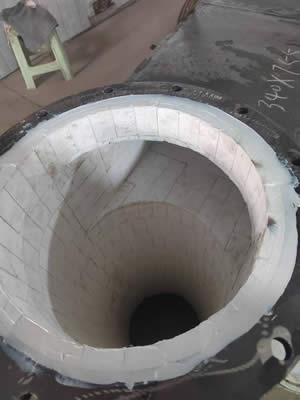
Ceramic-lined pipe is the most widely used slurry pipeline solution for fine particle abrasion working conditions. It adopts high-temperature sintered alumina ceramic as the inner lining, with excellent anti-scouring performance for powder, fine ore slurry and cement raw meal. It is lightweight, easy to cut and install, and suitable for narrow construction spaces—perfect for Japanese and Korean projects that pursue refined construction and compact pipe layout. Common supporting fittings include wear-resistant elbow, tee and reducer, covering most material conveying systems.
This type of pipe uses high-chromium cast iron as the wear-resistant inner layer and carbon steel as the outer protective pipe. It features strong impact resistance and is suitable for coarse ore particle conveying and heavy material scouring scenarios, such as large-scale mining and gravel aggregate projects in the Middle East. Its only shortcoming is poor tolerance for long-term high humidity and salt spray, so it needs strict anti-corrosion packaging and surface treatment for Southeast Asian coastal projects.
2.3 Surfacing Wear-Resistant Pipe
2.4 Rubber/Polymer Lined Pipe
3. Regional Working Condition Adaptation Details for Overseas Projects
3.1 Southeast Asia: High Humidity, Salt Spray and Mud Abrasion Adaptation
3.2 Middle East: Dry Heat, Sand Erosion and High-Temperature Expansion Adaptation
3.3 Japan & South Korea: Refined Operation, Seismic Standards and Narrow Space Adaptation
4. Overseas Procurement Key Points for Cross-Border Wear-Resistant Pipeline Projects
- Standard matching first: Do not use Chinese standard parameters to deduce overseas projects. Middle East petrochemical projects prefer ASTM A106 and API 5L standards, while日韩projects strictly implement JIS and KS series standards. Mismatched standards will lead to direct rejection during project acceptance.
- Sea transportation anti-risk treatment: Long-distance maritime transportation leads to humidity and salt spray erosion. All wear-resistant elbow, tee and other vulnerable fittings need independent packaging, and pipe ends must be sealed tightly to avoid internal moisture and dust entering.
5. Daily Operation and Maintenance Skills for Long-Term Stable Operation
5.1 Regular Inspection and Thickness Detection
5.2 On-Site Repair and Replacement Rules
5.3 Blockage Prevention and Cleaning
Engineer’s Pitfall Reminder 2: Many teams only replace severely worn pipe sections and ignore matching sealing gaskets. In high-temperature and high-humidity overseas environments, old gaskets aging rapidly will cause flange leakage, which is the main cause of late pipeline system failures.
After sorting out 10+ years of overseas project after-sales data, I found that more than 60** of pipeline operation problems come from typical selection mistakes. These errors are not caused by product quality, but by inaccurate working condition judgment and blind parameter selection.
Many procurement engineers will directly select high-cost high-chromium double-metal pipes for all abrasive working conditions, thinking higher wear resistance means better effect. But in Southeast Asian coastal acidic slurry environments, high-chromium materials are prone to electrochemical corrosion, and the wear-resistant layer will peel off in advance. Instead, rubber-lined composite abrasion-resistant pipe with both anti-corrosion and moderate wear resistance is the more cost-effective choice. Excessively high configuration not only wastes budget but also shortens actual service life.
A common neglected detail in overseas projects is inconsistent material and wall thickness between the main wear-resistant pipeline and elbow, tee and other fittings. In slurry conveying systems, fluid scouring is most severe at turning and branching positions. If ordinary wear-resistant elbows are matched with high-grade main pipes, the elbows will be worn through in a short time, forming system weak points. Standardized projects must ensure consistent wear-resistant grade and material for the entire pipeline system to achieve synchronous service life.
For日韩and high-end Middle East projects, parameter standard compliance is more important than basic performance. Many pipes with excellent wear resistance fail to pass acceptance because the outer pipe does not meet JIS or ASTM standard wall thickness tolerance and chemical composition requirements. Cross-border procurement must prioritize product certification and standard matching, not just nominal wear parameters.
Selecting a suitable wear-resistant pipe for overseas industrial projects is a systematic work that combines working condition analysis, regional environment adaptation, standard matching and long-term maintenance cost control. There is no universal best product, only the most matched solution. Ceramic-lined pipe is preferred for refined, narrow-space and fine particle abrasion projects in Japan and South Korea; double-metal and surfacing wear-resistant pipeline are suitable for high-impact and sand-scouring mining projects in the Middle East; rubber-ceramic composite pipes with enhanced anti-corrosion are the best choice for high-humidity and acidic slurry projects in Southeast Asia.